Authoritative Security References
A curated library of trustworthy cybersecurity tools, checklists, and guidelines published by globally recognized agencies.
Official Guidelines & Checklists
Authoritative frameworks, guides, and tools from NIST and other global organizations.
Threatopia Video Academy
Curated educational explainer videos, malware demonstrations, and visual security tutorials.
Phishing Protection
Learn how to detect and defend against deceptive emails, links, and fake QR codes.
An educational introduction to identifying phishing attacks, common delivery vectors, and prevention guidelines.

A brief guide by Kaspersky defining internet phishing, explaining target manipulation, and tips to secure personal info.
Learn the security risks associated with scanning physical or digital QR codes (quishing) and how to identify fake codes.
Social Engineering
Understand the psychology behind human manipulation tactics used by cybercriminals.

Kaspersky explains the human manipulation aspect of cybercrime, highlighting how emotions are exploited to bypass defenses.
Malware & Ransomware
Explore how viruses, worms, spyware, and extortion-based ransomware infect and impact systems.
An educational overview explaining the core differences between computer viruses, self-replicating worms, and Trojan horses.
Understand how ransomware encrypts user files, demands extortion payments, and crucial defense and backup strategies.
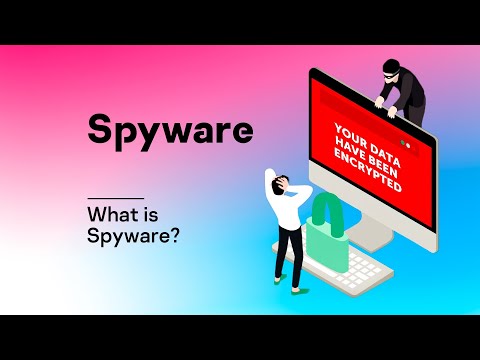
A Kaspersky presentation on spyware: malicious software that gathers personal data, keystrokes, and activity without consent.

A practical guide to identifying signs that your smartphone is compromised, and steps to check for and remove mobile spyware.
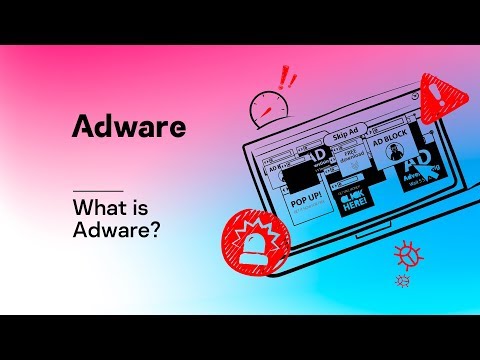
An overview of adware, showing how unwanted advertisements infiltrate devices, degrade performance, and hijack browsers.
Man-in-the-Middle (MitM) Attacks
Study traffic interception methods, public Wi-Fi security issues, and encryption defenses.

Highlights the critical security vulnerabilities of utilizing unsecured open WiFi networks and protecting communication.
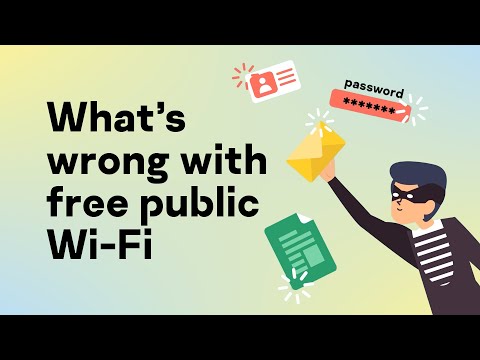
Kaspersky explains the risk of data sniffing, malicious hot-spots, and why free public WiFi exposes logins and banking data.

A concise, one-minute animation showing how a threat actor intercepts and modifies data passing between two systems.

A detailed examination of MitM attack methods, including DNS spoofing, ARP poisoning, and how encrypted traffic (HTTPS) helps.
Need Hands-on Practice?
While reading security documents is excellent, applying them dynamically in our simulation labs is where deep cybersecurity awareness truly forms. Test your skills in the sandbox!